Opening Hours
- Warrawong Hours:
Monday
8AM - 5PM
Tuesday
9AM - 5PM
Wednesday
9AM - 5PM
Thursday
9AM - 5PM
Friday
8AM - 5PM
Saturday
9AM - 12PM
Sunday
CLOSED
- Wollongong Hours:
Monday
8AM - 5PM
Tuesday
9AM - 5PM
Wednesday
9AM - 5PM
Thursday
CLOSED
Friday
8AM - 5PM
Saturday
9AM - 12PM
Sunday
CLOSED
Our Locations
- 166 Cowper St, Warrawong NSW 2502
- 68/143 Corrimal St, Wollongong NSW 2500

Bespoke Dental Studio caters to all patients of all ages. We pride ourselves as true family dentists. We cater to all forms of general dentistry, as well as cosmetic and restorative dentistry. We are proud providers for the Illawarra Area Health Service.
We provide :
- CDBS
- IAHS Vouchers
- Vet Affairs
- Emergency Appointments
Root Canal Treatment
Root canal treatment is a dental procedure that replaces a tooth’s damaged or infected pulp with a filling. The pulp is the tooth's lifeline – its vessels, tissue fibres and nerves in the central hollow of the tooth keep it alive. The procedure to repair and save the tooth involves removing the damaged pulp, cleaning and disinfecting it and then filling and sealing it. The procedure is also known as endodontic treatment.

When is Root Canal Treatment Necessary?
Usually, root canals are recommended or needed when there is an infection deep within the tooth. Root canal treatment can save a badly infected or damaged tooth. The pulp inside the tooth may have become infected or damaged because of a severe, untreated cavity or due to wear and tear, gum disease, cracked fillings or an injury to the tooth. Without treatment, the infection can become severe enough that the tooth has to be removed.
Saving your own tooth if possible is important. Your own tooth is always better than an artificial tooth for biting and chewing. Losing a tooth can lead to other problems in the mouth. Replacing a lost tooth with an artificial one often needs more complex dental procedures. Root canal treatment is often the best way of saving your tooth.
Our dentists in Wollongong and Warrawong can assess the affected tooth and determine whether root canal treatment may be appropriate for you.
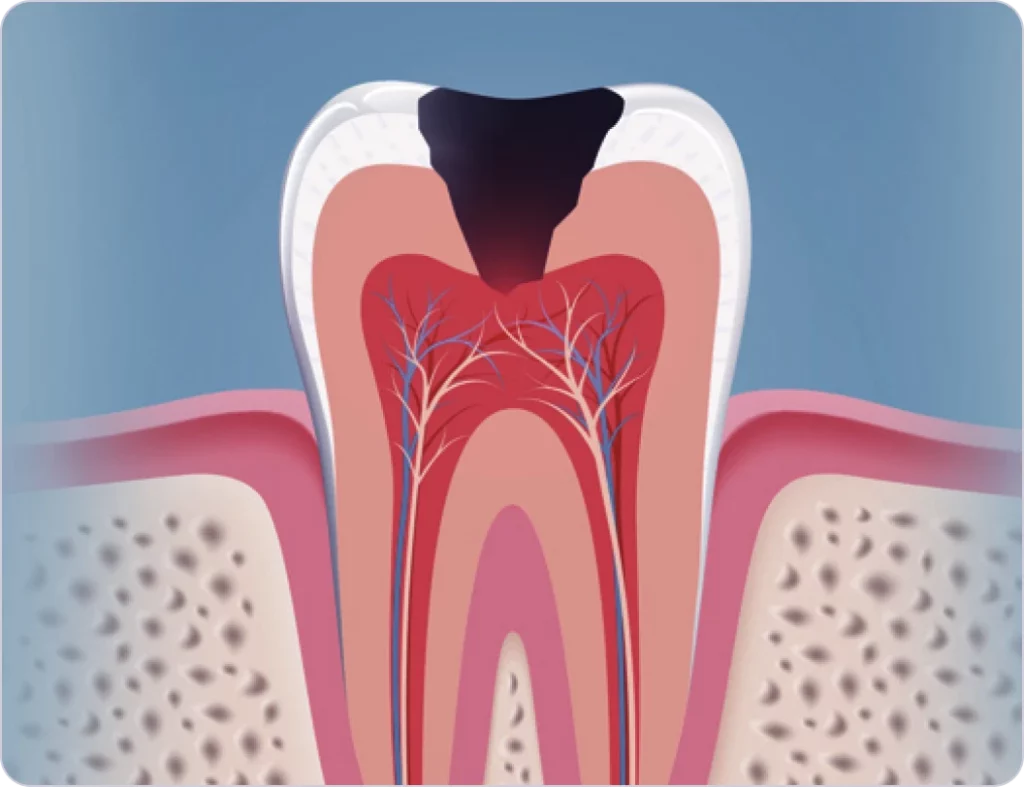
What are the signs I might need a root canal treatment?
Severe toothache when chewing
Sensitivity to hot or cold that lasts after the heat or cold has been removed
Darkening of the tooth
Swollen and tender gums
A persistent pimple on the gums or a hole in the tooth swollen and tender gums darkening of the tooth
Swelling of the face or neck
Our Root Canal Process
At our Wollongong and Warrawong practices, root canal treatment is carefully planned to remove infection, protect the tooth and restore its function.

Removing active decay and infection
Any old or leaky fillings, tooth decay, infected nerve tissue, pus and debris are removed
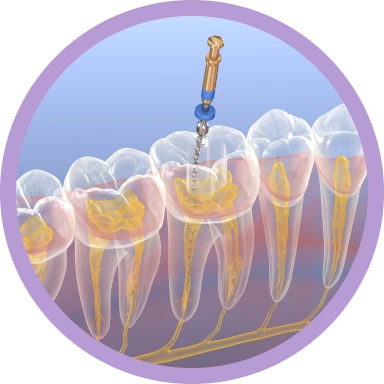
Shaping the canals
In order to be filled well, the canals within the tooth root need to be shaped into smooth, hollow tunnels that are free of irregularities where residual bacteria may sit. This shaping process involves small instruments, special disinfectants and medication. It may take a few weeks to months for these solutions to take maximum effect against stubborn bacteria within the tooth, and this step may have to be repeated several times
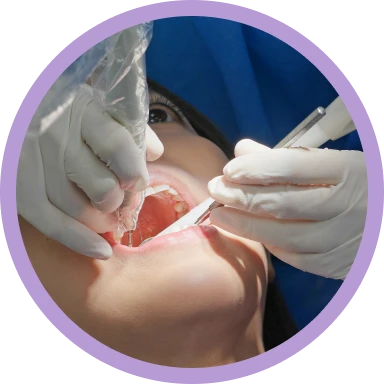
Filling the canals
To prevent bacteria from re-infecting the empty canals in your tooth, they are permanently sealed with a long-lasting barrier material

Making the tooth functional again
To make sure no bacteria can leak back into the tooth, a large, well-sealed restoration is put on the tooth. Teeth that require root canal treatment have sometimes lost considerable tooth structure due to decay or cracks, and may require further protection in the form of a porcelain or gold alloy crown.
Cosmetic issues after root canal treatment
A normal tooth with a healthy pulp is yellowish-white in colour. A pulp-free tooth may eventually turn grey. The dentist can advise you on appropriate aesthetic (cosmetic dentistry) procedures.

Need more information? Contact the experts today!

Frequently Asked Questions
What is a root canal treatment and why is it performed?
A root canal treatment removes infected or inflamed pulp from inside the tooth. It cleans and seals the root canals and restores the tooth with a filling or crown to stop pain and avoid extraction.
How is a root canal carried out and is it painful?
Under local anaesthetic, the dentist accesses the tooth chamber, removes damaged tissue, cleans and shapes the canals, then fills them with a biocompatible material. The procedure is gentle, and discomfort is typically no worse than having a deep filling.
What should I expect after treatment and how long will the tooth last?
Some mild tenderness may occur for a few days, which is usually manageable with over‑the‑counter pain relief. A properly restored root canal tooth can last many years—often decades—when cared for with good oral hygiene and regular check‑ups.
Who can perform root canal treatments?
All dentists are trained to carry out root canal treatments. Sometimes, the dentist will refer complicated and emergency cases to an endodontist once your tooth has been assessed. Endodontists are dentists who are specialists in root canal treatment.
What are the risks and complications of a root canal treatment?
In most cases, root canal treatment is successful and the tooth will no longer cause pain. However, there is always some risk depending on the condition of the tooth, how well you keep your teeth clean, and the biting forces on the tooth.
Common risks and complications include:
- mild temporary pain due to inflammation of the tissues surrounding the tooth
- a darker tooth: there are procedures available which may lighten the tooth if this occurs
- tooth fracture: due to reduced strength and durability of the tooth: –a tooth extraction may be required –this risk is reduced when a crown is used
Uncommon risks and complications include:
- The fine metal files used to clean inside the root canals may break during use and remain in the tooth, and the tooth may need to be removed
- Depending on the size and shape of the roots, there is some risk of creating a hole in the side of a tooth root during the cleaning process
- Re- infection/ treatment failure: the tooth may require further treatment or extraction if it is unable to be saved