Opening Hours
- Warrawong Hours:
Monday
8AM - 5PM
Tuesday
9AM - 5PM
Wednesday
9AM - 5PM
Thursday
9AM - 5PM
Friday
8AM - 5PM
Saturday
9AM - 12PM
Sunday
CLOSED
- Wollongong Hours:
Monday
8AM - 5PM
Tuesday
9AM - 5PM
Wednesday
9AM - 5PM
Thursday
CLOSED
Friday
8AM - 5PM
Saturday
9AM - 12PM
Sunday
CLOSED
Our Locations
- 166 Cowper St, Warrawong NSW 2502
- 68/143 Corrimal St, Wollongong NSW 2500

Bespoke Dental Studio caters to all patients of all ages. We pride ourselves as true family dentists. We cater to all forms of general dentistry, as well as cosmetic and restorative dentistry. We are proud providers for the Illawarra Area Health Service.
We provide :
- CDBS
- IAHS Vouchers
- Vet Affairs
- Emergency Appointments
Dental Fillings
Fillings help restore teeth damaged by decay back to their normal function, and can prevent further decay. Your dentist will consider a number of factors when choosing which type of filling material is best for you. These factors include the extent of the repair, where the filling is needed and the cost.
At Bespoke Dental Studio, we provide dental fillings in Wollongong and Warrawong, with treatment tailored to the needs of each patient and the condition of the affected tooth.
What is a Filling?
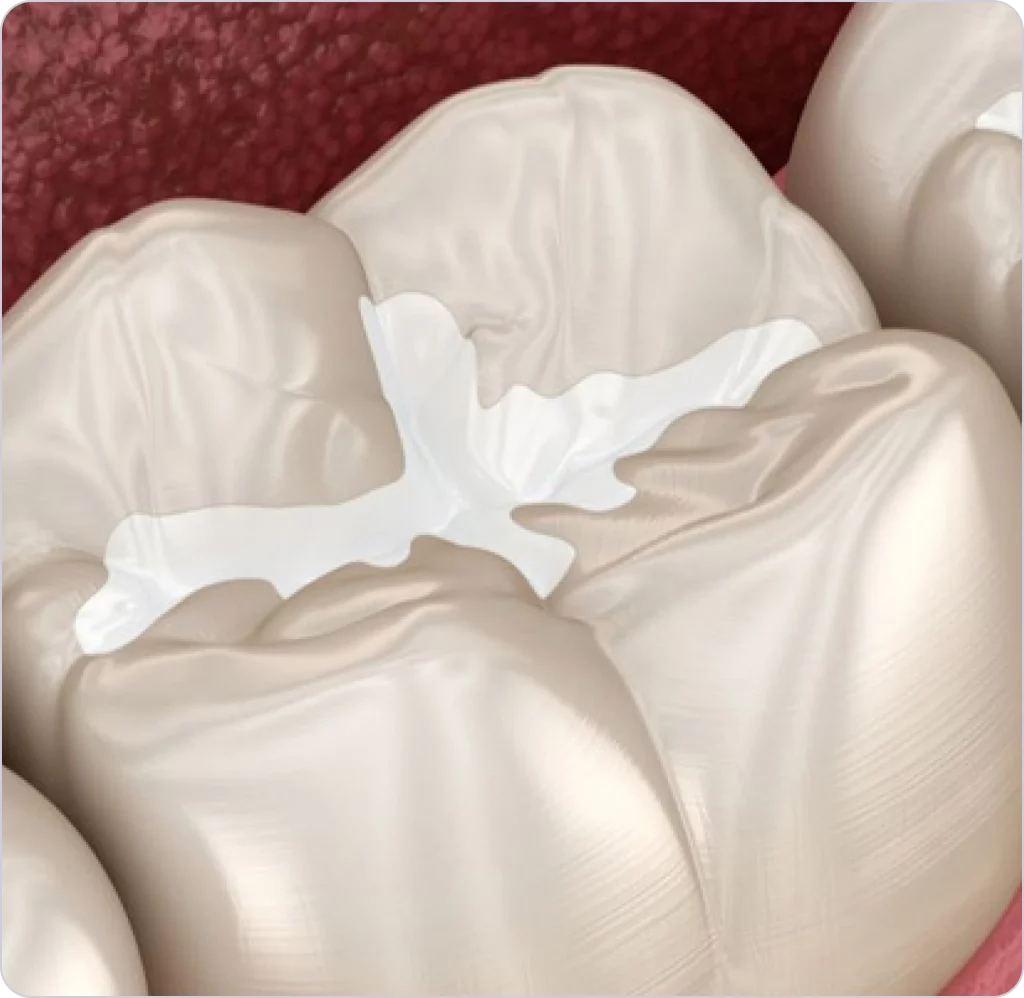
A filling is a way to restore a tooth damaged by decay back to its normal function and shape. When a dentist gives you a filling, decayed tooth material is removed, the affected area is cleaned, and then the cleaned out cavity is filled with a filling material. By closing off spaces where bacteria can enter, a filling also helps prevent further decay.
Materials used for fillings include gold, porcelain or, more commonly, a composite resin (tooth-coloured fillings). Here at Bespoke Dental Studio we are a mercury-free practice and thus do not offer amalgam fillings.
Patients looking for dental fillings in Wollongong or Warrawong can discuss the most suitable filling material for their needs with our dental team.
Which Type of Filling is Best?
No one type of filling is best for everyone. What's right for you will be determined by the extent of the repair, allergies to certain materials, where the filling is needed, and the cost.
Option 1
Gold fillings
Gold fillings are made to order in a laboratory and then cemented into place. Gold inlays are well tolerated by gum tissues, and may last more than 20 years. For these reasons, many authorities consider gold the best filling material. However, it is often the most expensive choice and requires multiple visits.
Option 2
Composite (plastic) resins
Composite (plastic) resins are the most common type of filling. They are matched to be the same colour as your teeth and therefore used where a natural appearance is desired. The ingredients are mixed and placed directly into the cavity, where they harden. Composites may not be the ideal material for large fillings as they may chip or wear over time. They can also become stained from coffee, tea or tobacco, and do not last as long as other types of fillings.
Our dentists provide tooth-coloured dental fillings at our Wollongong and Warrawong practices when composite resin is considered a suitable treatment option.
Option 3
Porcelain fillings
Porcelain fillings are called inlays or onlays and are produced to order in a lab. They are then bonded to the tooth. They can be matched to the colour of the tooth and resist staining. A porcelain restoration generally covers most of the tooth. Their cost is similar to gold.
Option 4
Temporary fillings
Temporary fillings Short-term (‘temporary’) fillings may be used when multiple appointments on a tooth are required, if there is insufficient time to complete the treatment in one visit, or during emergency treatment.

What Happens When You get a Filling?
If your dentist decides to fill a cavity, he or she will first remove the decay (also known as dental caries) and clean the affected area. The cleaned-out cavity will then be filled with any of the variety of materials described above.
If you need a dental filling in Wollongong or Warrawong, our dentists can assess the affected tooth and discuss the filling options that may be suitable for you.
What causes a filling to fail?
Constant wear and tear can cause fillings to wear, chip or crack, which can open the seal between the tooth and the filling and allow food particles and decay-causing bacteria to enter. However, if you're seeing your dentist regularly, they'll look after this before it becomes serious.
Need dental fillings in wollongong and warrawong area? Contact the experts today!
Frequently Asked Questions
Which types of dental fillings do you offer?
We offer composite (tooth‑coloured) and porcelain inlays/onlays, plus cast gold fillings. We are a mercury‑free practice and do not use amalgam (silver) fillings.
How do you decide which filling material to use?
The choice depends on the size and location of the tooth repair, aesthetic preference and cost. Composite fillings suit small to medium cavities, while porcelain inlays/onlays and gold offer greater durability and staining resistance.
What can cause a filling to fail and how is it addressed?
Fillings can chip, crack or wear over time from chewing forces, staining, or decay forming at the margins. Regular dental reviews help identify issues early so repairs or replacements can be done before further damage occurs.