Opening Hours
- Warrawong Hours:
Monday
8AM - 5PM
Tuesday
9AM - 5PM
Wednesday
9AM - 5PM
Thursday
9AM - 5PM
Friday
8AM - 5PM
Saturday
9AM - 12PM
Sunday
CLOSED
- Wollongong Hours:
Monday
8AM - 5PM
Tuesday
9AM - 5PM
Wednesday
9AM - 5PM
Thursday
CLOSED
Friday
8AM - 5PM
Saturday
9AM - 12PM
Sunday
CLOSED
Our Locations
- 166 Cowper St, Warrawong NSW 2502
- 68/143 Corrimal St, Wollongong NSW 2500
Bespoke Dental Studio caters to all patients of all ages. We pride ourselves as true family dentists. We cater to all forms of general dentistry, as well as cosmetic and restorative dentistry. We are proud providers for the Illawarra Area Health Service.
We provide :
- CDBS
- IAHS Vouchers
- Vet Affairs
- Emergency Appointments
Digital 3D Technology
At Bespoke Dental Studio we are always proactive in staying up to date with the latest technology. In order to achieve the best patient outcomes, we are able to offer Digital Smile Design and Digital 3D Scanning to our patients.
Digital Smile Design
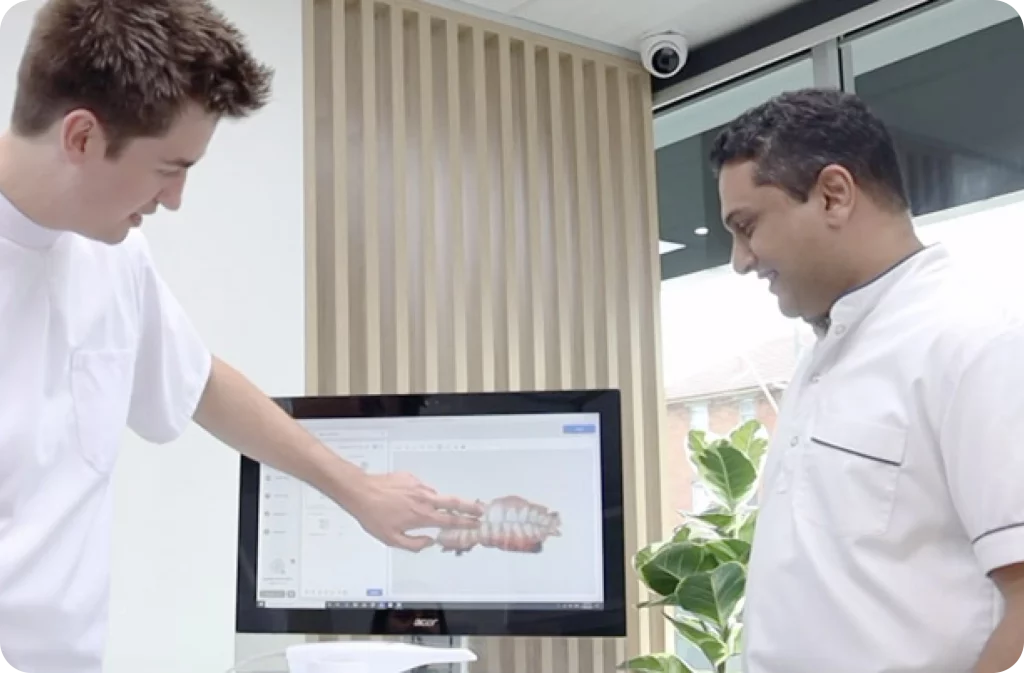
Digital Smile Design (DSD) involves taking photos of the patient and using computers to design dental solutions that best suit their needs. This enables patients to see the results before a procedure is performed.
Digital Smile Design (DSD) helps our dentists to plan restorative treatments more efficiently, while also helping you as the patient to see what your new smile will look like to a high level of accuracy. Being able to clearly visualise your outcome can be useful for getting an idea of what your teeth will look like after your treatment, as well as giving you the chance to make changes at the design stage.
Our team offers Digital Smile Design at our Wollongong and Warrawong practices, helping patients visualise their proposed smile before proceeding with treatment.
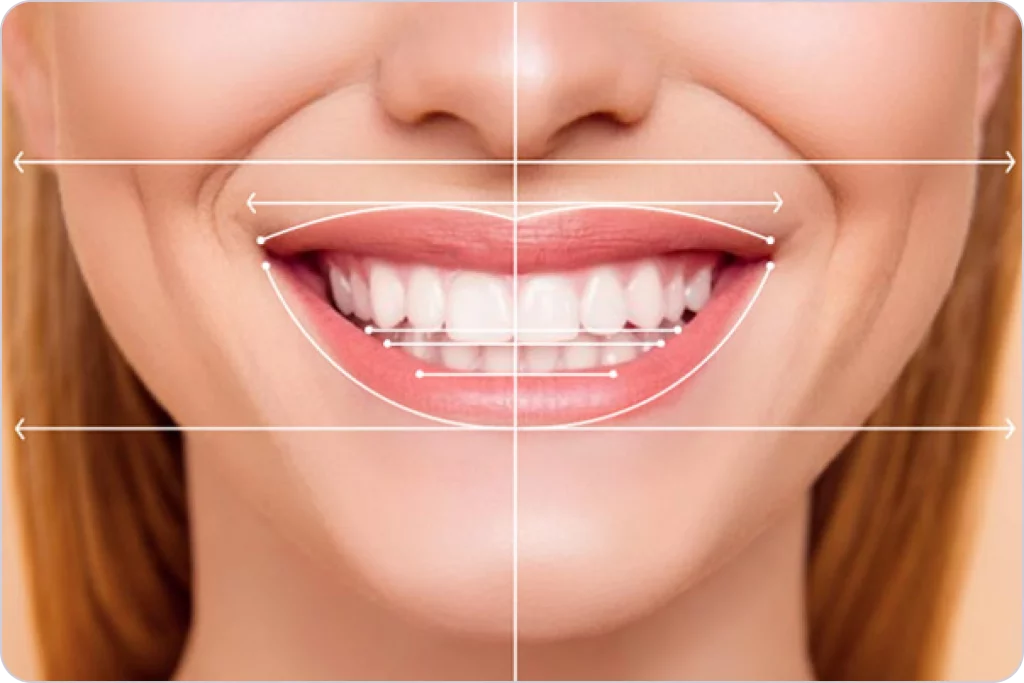
Unlike traditional restorative treatments that focus on the teeth, gums and jaw, the DSD system also considers the relationship between the mouth and other parts of the face involved in smiling, such as the cheeks, eyes and lips. It also visualises a wide range of facial expressions, to show you how your smile will look when talking, laughing and in other emotional states, helping you to design a smile that matches your personality.
Digital Smile Design allows our dental professionals to design custom crowns and veneers that are tailored to meet your specific requirements resulting in a superior aesthetic outcome.
Intraoral Scanning with 3D Printed Technology
In order to achieve the best fitting crown and bridgework, veneers and implants, at Bespoke Dental Studio we utilise 3D intra-oral scanners.
Intraoral digital scanners are rapidly changing the way dentists take impressions, create crowns, and go about other common forms of dental restorative work. These changes in the industry are due to the ways this new technology can save time, promote accuracy, improve communication, and enhance positive patient experiences.
With the ability to scan a patient’s mouth, dentists can now take measurements down to a micron. This level of precision was unheard of before intraoral scanners were introduced.
Unlike traditional impression-taking methods, intraoral scanners produce digital files. These digital files can then be shared easily with oral surgeons, other dental staff, or lab technicians. This allows people on all ends of a patient’s restorative work to communicate efficiently and effectively.
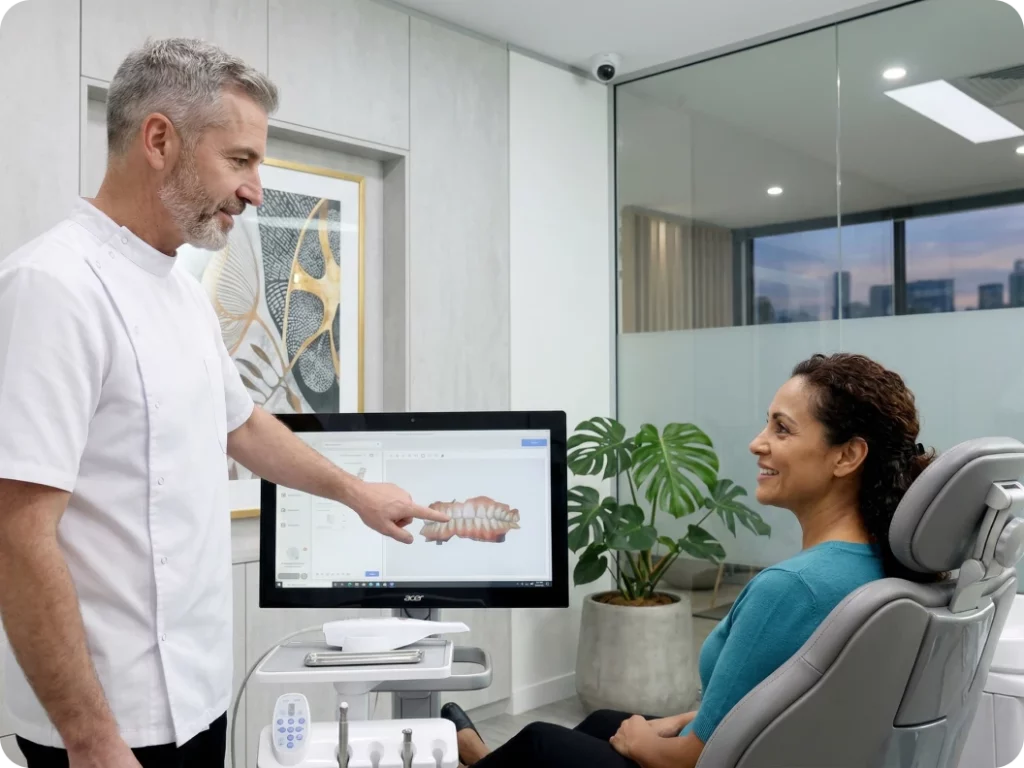
The scanners produce a digital impression of the tooth's anatomy or an implant’s tridimensional position. Digital impressions offer patients the convenience of not having to endure traditional impressions: unpleasant tasting materials, bulky, cumbersome trays and possible gagging.
A quick, painless scan of your mouth shows every contour of every tooth on the computer in 3D colour. The scan is then sent digitally to a laboratory which in turn is able to produce an absolutely accurate prosthesis for you via 3D printing.
Scanned images also show a lot more detail. This increase in clarity will help you to better understand the reasons behind a treatment plan that the dentist may.
Come in and experience this amazing technology for yourself.
Need more information? Contact the experts today!
Frequently Asked Questions
What digital 3D technology is used in treatment?
Advanced tools include intraoral scanners for precise digital impressions, 3D printers for accurate model creation, and CBCT (cone beam) imaging to visualise bone and tooth anatomy in three dimensions.
How does this technology benefit treatment planning?
Digital 3D imaging enables highly accurate diagnostics and treatment simulations, improving predictability. It allows custom smile design, precise implant placement planning, and efficient restorative and orthodontic workflows.
Is 3D technology safe and comfortable for patients?
Yes. Intraoral scanning is non‑invasive and comfortable. CBCT exposes patients to low levels of radiation while providing detailed imagery essential for safe and effective surgery or implant planning.