Why Do Teeth Change Colour as You Age?
Teeth do not usually stay the same colour forever.
For many people, they slowly become darker, yellower, or less bright with age. It can happen so gradually that you barely notice it at first. Then one day, you see a photo of yourself and think, “Were my teeth always that colour?”
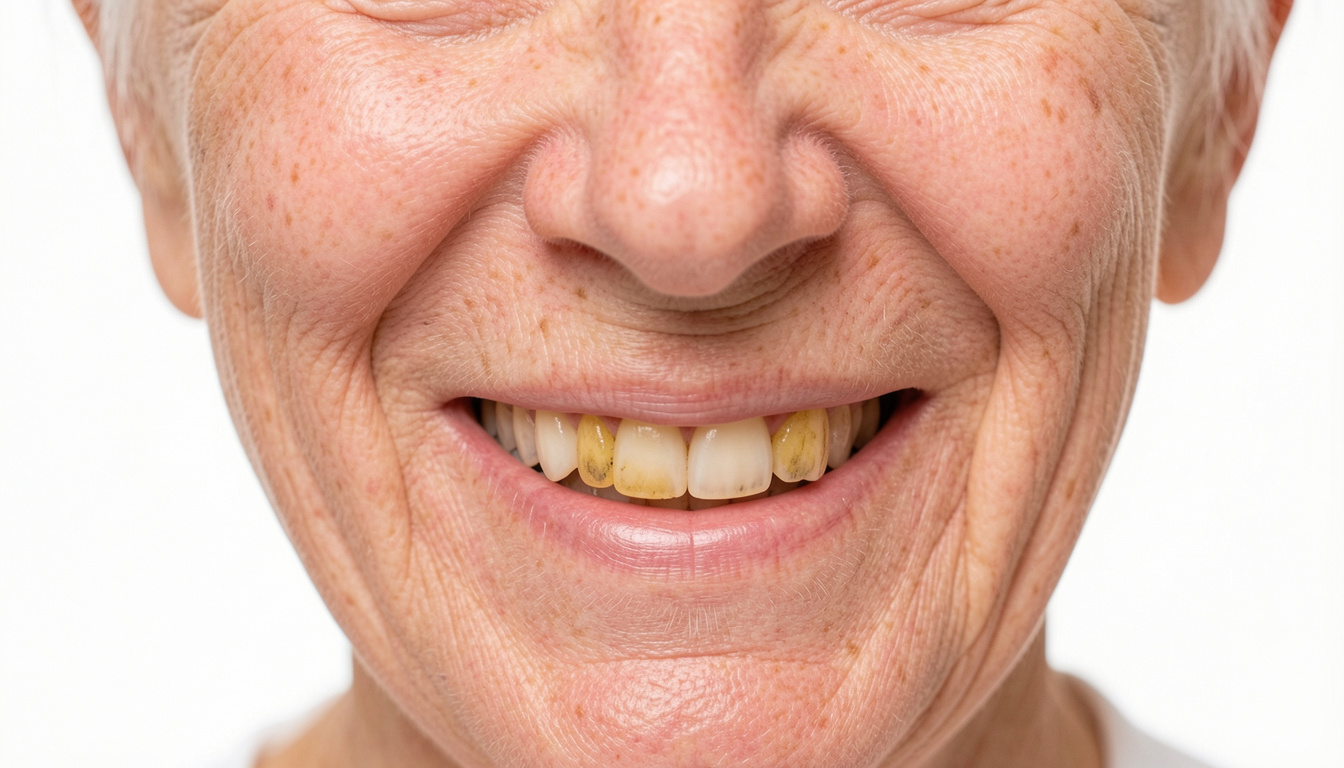
Ageing teeth colour changes are common. They can happen because of natural changes inside the tooth, enamel wear, staining from food and drinks, oral hygiene habits, old dental work, or changes in the mouth over time.
Sometimes the change is harmless. Sometimes tooth discolouration can be linked to decay, enamel erosion, trauma, or another dental concern. That is why it is worth understanding what may be causing the colour change before assuming it is only cosmetic.
At Bespoke Dental Studio, we see patients from Warrawong, Wollongong, and surrounding areas who want to understand why their teeth have changed colour and what options may be suitable for their oral health.
Why Do Teeth Look More Yellow With Age?
One of the main yellow teeth causes is the way teeth are built.
The outside layer of the tooth is enamel. Enamel is the hard, protective surface that helps cover the tooth. Underneath it is dentine, which naturally has a more yellow tone.
As enamel becomes thinner or more worn over time, more of the dentine underneath can show through. This can make teeth appear yellower, even if you brush regularly.
This does not mean your teeth are dirty. It may simply mean the tooth structure has changed over time.
Ageing teeth often show a mix of natural internal colour changes and external staining. That is why two people of the same age can have very different tooth colours.
Enamel Wear Can Change Tooth Colour
Enamel is strong, but it is not indestructible.
Over many years, enamel can become thinner from everyday use. Chewing, brushing too hard, grinding, acidic foods and drinks, and dental erosion can all play a role.
Dental erosion happens when acid wears away part of the enamel surface. Healthdirect explains that erosion can be caused by acids from food and drink, stomach acid, or other factors, and it can make teeth more sensitive or change their appearance.
Once enamel is worn, it does not grow back in the same way skin does. Your dentist can assess the amount of enamel wear and discuss ways to help protect the teeth from further damage.
A simple example: someone who has had lemon water every morning for years may notice their teeth look more yellow or feel more sensitive. The lemon did not “stain” the teeth in the usual sense. The acid may have contributed to enamel wear, allowing more dentine colour to show through.
Stains Build Up Over Time
Not every colour change comes from inside the tooth.
Some tooth discolouration sits on the outside surface. These are called extrinsic stains. They can come from things like:
- Coffee
- Tea
- Red wine
- Cola
- Dark sauces
- Tobacco
- Some mouth rinses
- Plaque and tartar build-up
These stains can collect slowly. One coffee may not make much difference. Years of daily coffee, however, can leave visible staining.
The Australian Dental Association’s Teeth.org.au notes that teeth can be discoloured on the outside surfaces or from within the structure of the teeth, and dental practitioners are best placed to diagnose the cause.
That distinction matters.
Surface stains may respond differently to internal discolouration. A professional clean may help remove some external staining, but it will not change the natural colour inside the tooth.
Dentine Naturally Changes Over Time
There is another reason ageing teeth colour can shift: dentine can become thicker or darker over the years.
Your teeth are living structures. As they age, the dentine inside the tooth can change. This can make teeth appear darker, more yellow, or slightly grey in some cases.
This kind of colour change is not always caused by something you did wrong. It can be part of the natural ageing process.
That said, a sudden colour change in one tooth is different from slow, general ageing. If one tooth becomes darker than the others, it may be linked to previous trauma, nerve changes, old dental treatment, decay, or another dental concern.
If this happens, it is worth booking a dental check-up rather than waiting to see if it changes on its own.
Old Fillings and Dental Work Can Affect Appearance
Dental work can also change the way teeth look as you age.
Older fillings, crowns, bonding, or veneers may no longer match the surrounding teeth if your natural teeth have changed colour. Some fillings can stain around the edges. Older restorations may also become more noticeable over time.
This does not always mean something is wrong. But if you notice dark lines, gaps, chips, rough edges, or colour changes around dental work, it is worth having it assessed.
A dentist can check whether the change is only cosmetic or whether there is decay, leakage, wear, or another issue that needs attention.
Tooth Decay Can Cause Dark Spots
Not all discolouration is from age or staining.
Tooth decay can sometimes appear as a white, brown, grey, or dark spot on the tooth. Better Health Channel explains that tooth decay can start as a white or dark spot before developing into a cavity.
This is why new dark marks should not be ignored, especially if they are near the gumline, between teeth, or around an old filling.
A dentist can check whether the colour change is staining, early decay, a worn filling, or something else. For patients in Warrawong or Wollongong, a check-up at Bespoke Dental Studio can help identify what may be causing the change and what the next step may be.
Dry Mouth Can Make Staining Worse
Saliva does more than keep your mouth comfortable.
It helps wash away food particles, neutralise acids, and support a healthier mouth environment. As people get older, dry mouth can become more common, especially if certain medications are involved.
A dry mouth may make staining, plaque build-up, tooth decay, and enamel wear more likely.
If your mouth often feels dry, sticky, or uncomfortable, mention it to your dentist. Do not just push through it. Dry mouth can affect your teeth, gums, breath, and comfort.
Is Tooth Discolouration Always a Problem?
No.
Some colour change is normal. Teeth naturally come in different shades, and they do not need to be bright white to be healthy.
The concern is when the change is sudden, uneven, getting worse quickly, or appears with other symptoms.
Book a dental check-up if you notice:
- One tooth becoming darker than the others
- Brown, black, or white spots
- New staining around fillings
- Tooth sensitivity
- Rough or chipped enamel
- Pain when biting
- Bleeding gums
- Bad breath that does not settle
- A dry mouth that keeps returning
These signs do not always mean something serious. But they are worth checking.
Can Age-Related Tooth Colour Be Improved?
Sometimes, yes. But the right option depends on the cause.
For example, if the colour change is mostly from surface staining, a professional clean may help. If the staining is deeper inside the tooth, whitening may be discussed. If colour changes are linked to old fillings, decay, enamel wear, or trauma, the approach may be different.
Teeth whitening is not suitable for everyone. It also does not work the same way on every type of discolouration, and results vary depending on the type and degree of staining.
Before starting whitening or cosmetic treatment, it is best to have your teeth and gums assessed. Your dentist can explain whether whitening may be suitable or whether another option should be considered.
How Can You Help Reduce Further Discolouration?
You cannot stop teeth from ageing completely.
But you can reduce some of the habits that make staining or enamel wear worse.
Helpful steps may include:
- Brushing twice a day with fluoride toothpaste
- Cleaning between your teeth daily, if recommended
- Limiting frequent acidic drinks
- Rinsing with water after coffee, tea, or acidic drinks
- Avoiding tobacco
- Seeing your dentist for regular check-ups and cleans
- Using a soft toothbrush
- Avoiding aggressive brushing
- Wearing a night guard if your dentist recommends one for grinding
Regular dental visits can also help pick up early signs of erosion, decay, gum issues, and wear before they become harder to manage. Better Health Channel recommends regular check-ups with an oral health professional to address problems early.
When To Speak With a Dentist About Tooth Colour Changes
Ageing teeth colour changes are common, but they are not always simple.
If your teeth look more yellow over time, it may be due to enamel wear, dentine changes, staining, or a mix of several factors. If one tooth changes colour, if dark spots appear, or if you notice sensitivity or pain, it is better to have it checked.
At Bespoke Dental Studio, your dentist can assess your teeth, explain what may be causing the discolouration, and discuss suitable options based on your oral health.
The goal is not to chase an unnatural shade. It is to understand what is happening and keep your teeth healthy as they age.
FAQs
Why do teeth turn yellow as you age?
Teeth can look more yellow with age because enamel may become thinner over time, allowing more of the yellow-toned dentine underneath to show through. Staining from food, drinks, tobacco, and plaque build-up can also contribute.
Is yellowing teeth always a sign of poor oral hygiene?
No. Yellowing teeth are not always caused by poor brushing. Ageing, enamel wear, dentine changes, diet, smoking, dry mouth, and old dental work can all affect tooth colour.
Can tooth discolouration be removed?
It depends on the cause. Some surface stains may improve with a professional clean. Deeper discolouration may need a different approach. A dentist can assess the type of staining and explain what options may be suitable.
Are ageing teeth weaker?
Not necessarily. Teeth can change colour with age and still be functional. However, enamel wear, cracks, decay, gum disease, or old dental work can affect tooth health. Regular check-ups help monitor these changes.
When should I worry about a tooth changing colour?
You should book a dental check-up if one tooth becomes darker than the others, if you notice black or brown spots, if the tooth feels painful or sensitive, or if the colour change happens after an injury.
Do I need to see a dentist if my teeth are changing colour with age?
It can be helpful to have your teeth checked, especially if the colour change is new, uneven, or happening with sensitivity, pain, or changes around old dental work. For patients in Warrawong and Wollongong, Bespoke Dental Studio can assess what may be causing the change and discuss suitable next steps.