
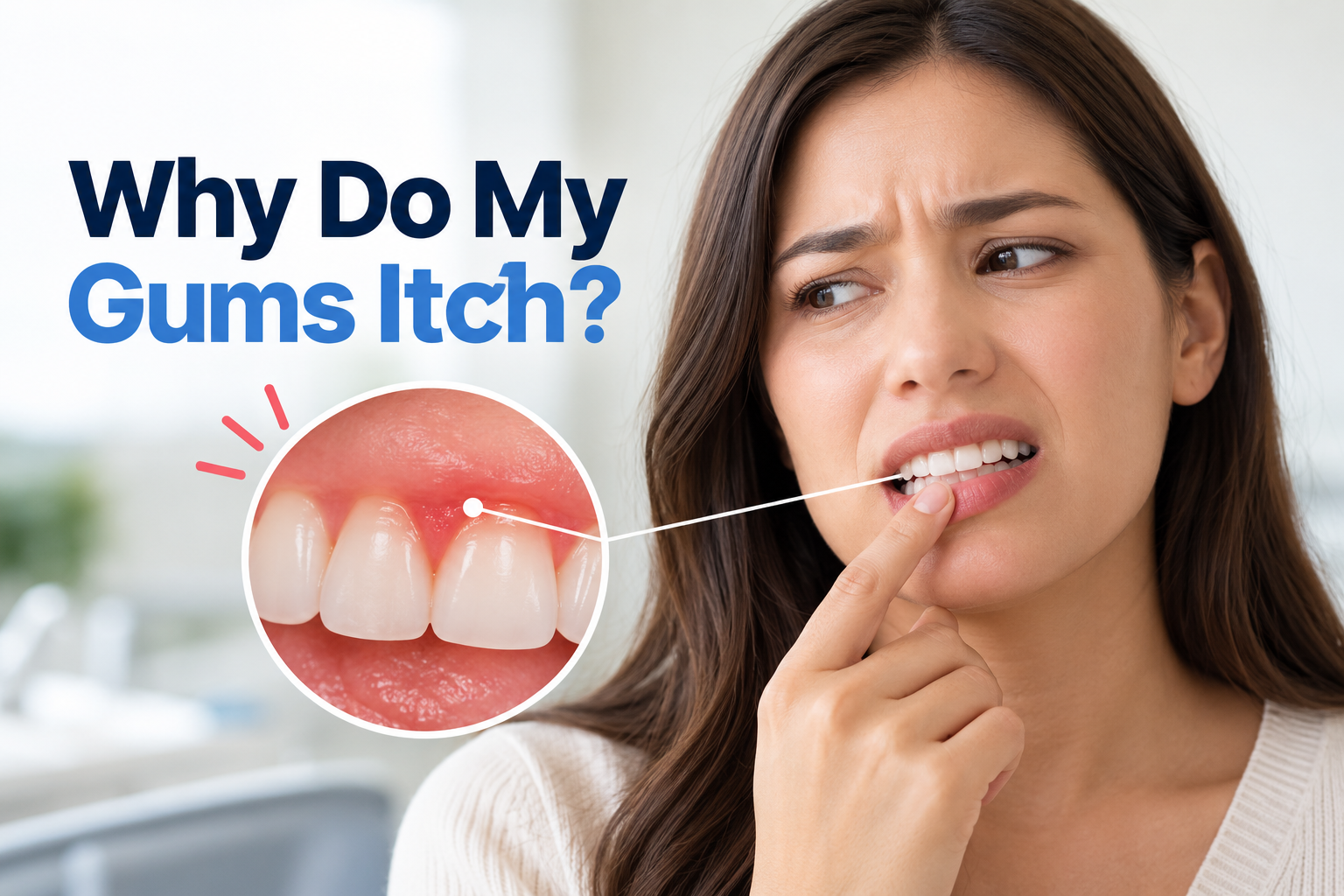
Why Do My Gums Itch?
Itchy gums can feel strange.
They may not be painful, but they can feel irritating, tickly, tender or uncomfortable enough that you keep noticing them. Some people describe it as a crawling sensation along the gumline. Others feel the urge to rub, scratch or press their gums to get relief.
If this sounds familiar, it is worth paying attention.
Itchy gums can happen for several reasons. Sometimes, the cause is something relatively simple, such as food trapped between the teeth or irritation from brushing too firmly. Other times, itchy or irritated gums may be associated with plaque build-up, gingivitis, dry mouth, allergies or other gum problems.
The important thing is not to panic, but also not to ignore symptoms that keep returning.
This article explains what may cause itchy gums, which signs to look for and when to arrange a dental check-up with Bespoke Dental Studio in Warrawong, near Wollongong.
Are Itchy Gums Normal?
Occasional gum discomfort can happen.
You might notice it after eating something sharp, starting a new flossing routine, using a new toothpaste or brushing a little too firmly. If the sensation settles quickly and does not return, it may be temporary irritation.
However, itchy gums that keep coming back, last for several days or occur alongside bleeding, swelling, bad breath or tenderness should be assessed by a dentist.
Healthy gums generally should not feel persistently itchy, sore, swollen or irritated. These changes may indicate that something is affecting your gum health.
Although itchiness alone does not necessarily mean you have gum disease, ongoing symptoms are worth investigating.
Common Causes of Itchy Gums
There is no single explanation for itchy gums. The possible cause depends on your symptoms, oral hygiene habits, dental history and overall oral health.
Here are 10 possible reasons your gums may feel itchy or irritated.
1. Plaque Build-Up Around the Gumline
Plaque is a common cause of gum irritation.
It is a sticky film of bacteria that continuously forms on your teeth. If it is not removed through regular brushing and cleaning between the teeth, plaque can accumulate along the gumline.
Over time, this build-up may contribute to gum inflammation.
You might notice:
- Itchy or irritated gums
- Redness or swelling along the gumline
- Tenderness when brushing
- Bleeding during brushing or flossing
- Persistent bad breath
Some areas of the mouth can be difficult to clean thoroughly, particularly between back teeth, around crowded teeth or near existing dental restorations.
If plaque hardens into tartar, regular brushing and flossing cannot remove it. Professional dental cleaning is needed to remove these hardened deposits.
Regular dental examinations and professional cleaning, where recommended, can help manage plaque and support gum health.
2. Gingivitis
Gingivitis is a common, early form of gum disease.
It typically develops when plaque accumulates around the gumline, causing irritation and inflammation.
One reason gingivitis can go unnoticed is that it does not always cause significant pain. Some people initially experience only mild gum discomfort or changes in how their gums feel.
Common signs of gingivitis include:
- Red or swollen gums
- Bleeding when brushing or flossing
- Gum tenderness
- Persistent bad breath
- An unpleasant taste in the mouth
- General gum irritation or discomfort
Itchiness may sometimes accompany these symptoms, although it is not specific to gingivitis.
Gingivitis can often be reversed with appropriate professional care and improved oral hygiene. However, untreated gum inflammation may progress to more serious periodontal problems in some people.
A dentist can assess the condition of your gums, recommend appropriate cleaning and help you improve your daily oral hygiene routine.
3. Food Trapped Between the Teeth
Even a small piece of food caught between your teeth can cause noticeable discomfort.
Popcorn husks, seeds, meat fibres and other food particles may become lodged between teeth or close to the gumline.
When this happens, the surrounding gum tissue can become irritated.
You might notice the sensation in one particular spot rather than throughout your mouth.
If you suspect food is trapped between your teeth, try gently cleaning the area with dental floss or an appropriately sized interdental brush.
Avoid using sharp toothpicks, pins or other hard objects to remove trapped food. These can injure the gum tissue or push the material further into the area.
If the irritation persists or the gum becomes swollen or painful, arrange a dental assessment.
4. Brushing Too Hard
Brushing harder does not necessarily mean your teeth are getting cleaner.
Excessive pressure can irritate the gums, particularly when combined with a hard-bristled toothbrush or an aggressive brushing technique.
Over time, repeated trauma may contribute to gum discomfort and, in some cases, gum recession.
If your gums feel irritated after brushing, consider whether you are:
- Applying too much pressure
- Using a medium- or hard-bristled toothbrush
- Brushing with forceful back-and-forth movements
- Using a toothbrush with worn or damaged bristles
- Scrubbing directly against sensitive gum tissue
A soft-bristled toothbrush and gentle, controlled movements are generally recommended.
Your dentist or dental hygienist can assess your brushing technique and suggest adjustments suited to your teeth and gums.
5. Changes to Your Flossing Routine
If you have recently started flossing again, you may notice some sensitivity or bleeding, particularly if your gums are already inflamed.
This does not necessarily mean flossing is harmful.
However, the way you clean between your teeth matters.
Snapping dental floss against the gums or forcing an interdental brush into a space that is too narrow can cause irritation.
Depending on your dental needs, suitable cleaning options may include:
- Dental floss
- Interdental brushes
- Water flossers used as part of an appropriate oral hygiene routine
The most suitable method depends on factors such as tooth spacing, existing restorations, gum health and your ability to clean effectively.
If flossing is consistently painful or causes ongoing bleeding, ask your dentist or hygienist to check your technique and assess your gums.
6. Dry Mouth
Dry mouth can contribute to oral discomfort, including irritation of the gums and surrounding soft tissues.
Saliva plays an important role in maintaining oral health. It helps keep the mouth moist, supports swallowing and protects the teeth.
When saliva production is reduced, your mouth may feel sticky, dry or uncomfortable.
Possible contributing factors include:
- Certain medications
- Dehydration
- Mouth breathing
- Smoking
- Stress or anxiety
- Some medical conditions
- Snoring or sleeping with your mouth open
Persistent dry mouth may increase the risk of tooth decay and other oral health problems.
If your mouth frequently feels dry, a dentist can assess your oral health, discuss possible contributing factors and recommend suitable management strategies.
If medication may be contributing to your symptoms, speak with your prescribing doctor before making any changes.
7. Allergies or Sensitivity to Dental Products
Not all gum irritation is caused by plaque or gum disease.
Sometimes, irritation may develop after exposure to a particular food, oral hygiene product or dental material.
Possible triggers include:
- New toothpaste
- Mouthwash
- Teeth whitening products
- Certain foods
- Strong flavouring agents, such as cinnamon
- Denture adhesives or cleaning products
- Certain dental materials, although reactions are relatively uncommon
For people who wear dentures, gum irritation may also be associated with friction, poor denture fit, cleaning products or other factors affecting the tissues beneath the denture.
This is not always an allergic reaction. A dentist may need to examine the gums and dental appliance to identify the possible cause.
If your symptoms began after introducing a new dental product, consider stopping that product and discussing the reaction with your dentist.
Important: If you experience difficulty breathing, swelling of the tongue or throat, or symptoms of a severe allergic reaction, call 000 immediately. These symptoms require emergency medical care.
8. Hormonal Changes
Hormonal changes can affect how the gums respond to plaque and other sources of irritation.
Some people notice increased gum tenderness, swelling or bleeding during:
- Pregnancy
- Puberty
- Menstruation
- Menopause
For example, hormonal changes during pregnancy can make the gums more susceptible to inflammation.
However, gum discomfort during hormonal changes should not automatically be considered normal or harmless.
If you notice persistent irritation, bleeding or swelling, a dental examination can help determine whether additional care is needed.
Dental care remains important during pregnancy. Let your dental team know if you are pregnant so they can plan your care appropriately.
9. Healing After Dental Treatment
Some people experience temporary gum discomfort after dental treatment.
Depending on the procedure, the surrounding gum tissue may feel tender, tight or mildly irritated while healing.
This may occur after:
- Professional dental cleaning
- Dental fillings
- Tooth extractions
- Crown procedures
- Other treatments involving the gums or nearby tissues
The expected healing process varies depending on the treatment and the individual.
Mild discomfort may settle as the area recovers. However, persistent itchiness should not automatically be assumed to be part of normal healing.
Contact your dentist if you notice:
- Increasing pain
- Worsening swelling
- Persistent or heavy bleeding
- Pus or discharge
- Fever
- A persistent unpleasant taste
- Symptoms that worsen rather than improve
These signs may indicate a complication requiring professional assessment.
10. Other Gum Problems
Itchy gums can sometimes occur alongside symptoms of underlying gum problems.
Gum disease does not always cause noticeable pain in its earlier stages, which means changes may be overlooked.
Signs worth paying attention to include:
- Bleeding when brushing or flossing
- Red or puffy gums
- Persistent bad breath
- Tenderness around the gumline
- Receding gums
- Increased tooth sensitivity
- Food becoming trapped between teeth more frequently
- Loose teeth
- Changes in how your teeth fit together when biting
These symptoms do not necessarily mean you have advanced gum disease, but they should be assessed.
An examination can help determine whether gum inflammation, periodontal disease or another issue is contributing to your symptoms.
Should You Scratch Itchy Gums?
It is best to avoid scratching your gums.
Although rubbing the area might seem like a quick way to relieve the sensation, using fingernails, toothpicks or hard objects can injure the gum tissue.
Repeated scratching may make existing irritation worse.
Instead, focus on gentle oral care.
You can:
- Brush with a soft-bristled toothbrush.
- Clean between your teeth carefully.
- Rinse your mouth with water after eating.
- Avoid dental products that appear to worsen irritation.
- Keep track of when the symptoms occur.
If the itching persists, avoid repeatedly trying different products without professional advice.
A dentist can assess the affected area and help identify possible causes.
What Can You Do at Home for Itchy Gums?
While waiting for a dental appointment, some simple steps may help reduce irritation and support your oral health.
Maintain Gentle Oral Hygiene
Brush your teeth twice daily using a soft-bristled toothbrush and fluoride toothpaste.
Use gentle pressure along the gumline and avoid aggressive scrubbing.
Clean between your teeth using an appropriate method, such as floss or interdental brushes.
Stay Hydrated
Drink water regularly throughout the day, particularly if your mouth feels dry.
Adequate hydration may help reduce discomfort associated with dehydration, although persistent dry mouth may require further assessment.
Avoid Potential Irritants
If your gum irritation began after using a new toothpaste, mouthwash or whitening product, consider whether that product may be contributing.
Avoid harsh brushing and refrain from scratching the affected area.
Reducing or avoiding smoking and vaping can also support overall oral health.
Pay Attention to Patterns
Try to notice when the itching occurs.
For example:
- Does it happen after eating certain foods?
- Does it begin after brushing?
- Is it associated with a particular toothpaste or mouthwash?
- Does it affect one area or the entire gumline?
- Is it worse at night?
- Does it occur alongside bleeding or swelling?
These details may help your dentist understand what is contributing to the discomfort.
Home care may help with minor irritation, but it cannot replace a dental examination when symptoms persist or worsen.
When Should You See a Dentist for Itchy Gums?
Consider booking a dental check-up if your gums remain itchy for more than a few days, the irritation keeps returning or you notice other oral health changes.
Symptoms that warrant professional assessment include:
- Bleeding gums
- Persistent gum swelling
- Gum pain or tenderness
- Ongoing bad breath
- Gum recession
- Loose teeth
- Pus near the gumline
- An unpleasant taste that persists
- Tooth sensitivity that does not settle
You should also arrange an examination if the discomfort is concentrated in one area and you suspect food or another object may be trapped near the gum.
If you experience significant swelling, severe dental pain, fever or symptoms of a possible dental infection, seek prompt professional care.
Depending on the symptoms, an emergency dental appointment may be appropriate.
Swelling that affects breathing or swallowing requires immediate emergency medical attention rather than a routine dental appointment.
At Bespoke Dental Studio in Warrawong, near Wollongong, a dentist can examine your gums, check for plaque or tartar build-up and assess whether inflammation or another oral health issue may be contributing to your discomfort.
What Treatment Might Be Needed for Itchy Gums?
Treatment depends on the underlying cause.
Because several conditions can produce similar symptoms, a dentist needs to assess your gums before recommending a particular treatment.
Possible approaches may include:
Professional Dental Cleaning
If plaque or tartar is contributing to gum inflammation, professional cleaning may be recommended.
The type and extent of cleaning depend on your gum health and the dentist’s findings.
Oral Hygiene Guidance
If brushing or flossing technique is causing irritation, your dental team may recommend changes to your daily routine.
This can include selecting a suitable toothbrush, improving brushing technique or choosing an appropriate method for cleaning between teeth.
Dry Mouth Management
If reduced saliva is contributing to discomfort, your dentist may discuss hydration, oral care products and other measures appropriate to your circumstances.
Persistent dry mouth may also require medical review, particularly when medications or health conditions are involved.
Gum Disease Management
If gingivitis or periodontitis is identified, your dentist can explain the findings and discuss appropriate gum care.
Depending on the condition, this may involve professional cleaning, periodontal treatment, improved home care or referral to a gum health specialist.
Managing Dental Product Irritation
If a dental product or appliance appears to be irritating the gums, your dentist may suggest an alternative product or assess whether an appliance needs adjustment.
There is no single treatment suitable for every case of itchy gums.
A professional examination helps identify the likely cause and determine which approach is appropriate for your individual needs.
Key Takeaway
Itchy gums are not always a sign of a serious dental problem, but persistent irritation deserves attention.
Sometimes, the cause may be temporary, such as food trapped between the teeth or brushing too firmly.
In other cases, itchy or irritated gums may be associated with plaque build-up, gingivitis, dry mouth, sensitivity to dental products or other gum concerns.
If the sensation keeps returning, you do not need to wait until it becomes painful before seeking advice.
A dental examination can help identify what may be contributing to your symptoms and determine whether treatment or changes to your oral hygiene routine are needed.
If you live in Warrawong, Wollongong or nearby areas, Bespoke Dental Studio can assess your gum health and discuss appropriate care based on your individual needs.
To arrange a dental assessment, contact Bespoke Dental Studio and speak with the team about your symptoms.
FAQs
Why do my gums itch?
Itchy gums may be associated with plaque build-up, gingivitis, food trapped between the teeth, brushing too firmly, dry mouth, sensitivity to dental products or other irritation. Because several conditions can cause similar symptoms, a dental examination may be needed to identify the underlying cause.
Are itchy gums a sign of gum disease?
They can be, but not always. Itchy gums may occur alongside gum inflammation or gingivitis, particularly when there is redness, swelling, bleeding or persistent bad breath. A dentist can examine your gums to determine whether gum disease or another condition is contributing to the symptoms.
Can irritated gums heal on their own?
Mild gum irritation may settle when a temporary cause, such as trapped food or overly firm brushing, is addressed. However, irritation caused by plaque build-up, gum disease or other underlying problems may require professional care. See a dentist if symptoms persist, return frequently or occur with bleeding or swelling.
What should I do if my gums feel itchy after brushing?
Try using a soft-bristled toothbrush and brushing gently along the gumline. Avoid applying excessive pressure. If itching continues, your gums may be inflamed or reacting to an oral hygiene product. A dentist can assess the area and recommend appropriate care.
Should I stop flossing if my gums itch or bleed?
Not necessarily. Inflamed gums may bleed during flossing, particularly if cleaning between the teeth has been inconsistent. Continue cleaning gently, but avoid snapping floss against the gums or forcing interdental brushes into tight spaces. If bleeding persists, is heavy or is accompanied by pain, arrange a dental assessment.
When should I book a dental appointment for itchy gums?
Book a dental appointment if itchiness lasts more than a few days, keeps returning or occurs with bleeding, swelling, persistent bad breath, gum recession or loose teeth. Seek prompt dental care for severe pain, fever or significant swelling. Difficulty breathing or swallowing requires immediate emergency medical attention.