
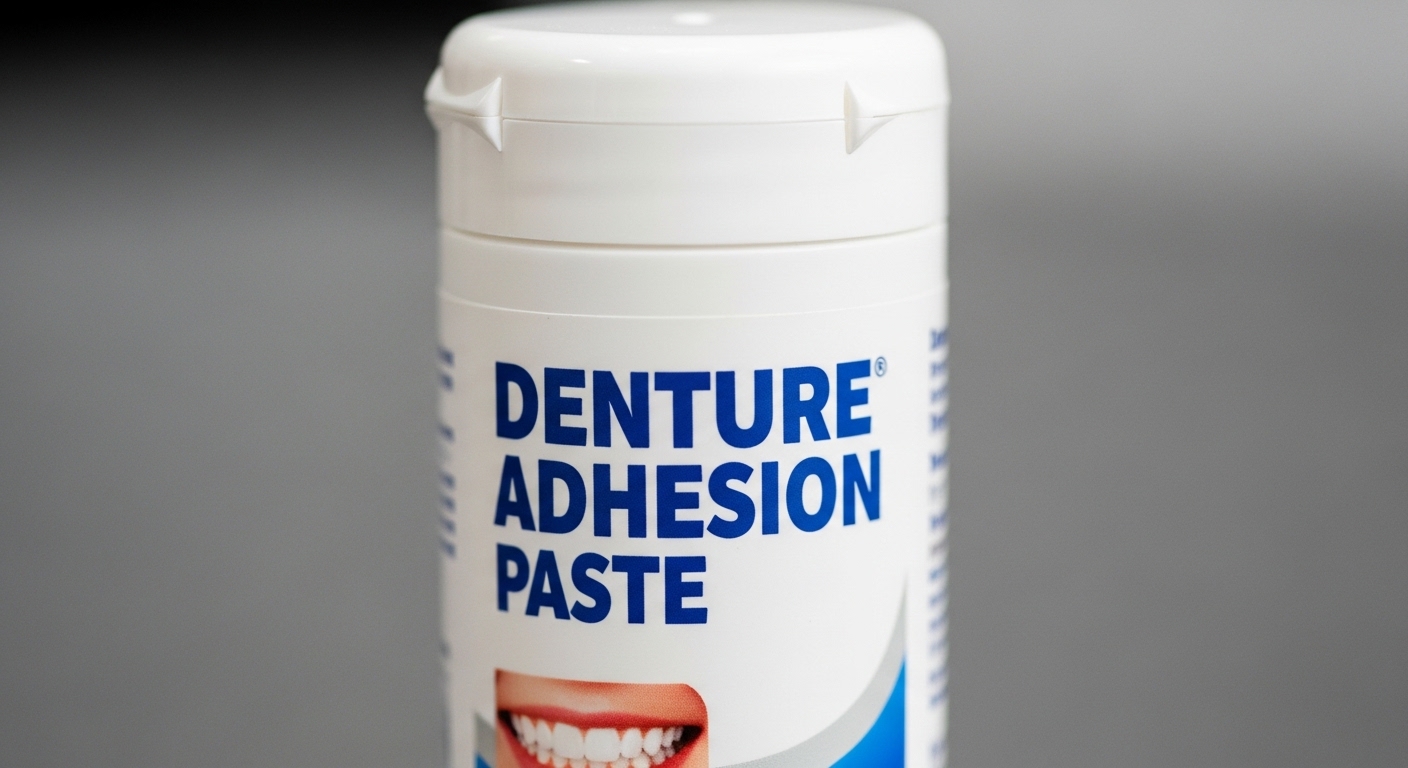
Adhesive Paste for Dentures
Adhesive paste for dentures is a specially formulated product designed to improve the fit, stability, and comfort of dentures by creating a thin seal between the denture base and your gums. It works by absorbing moisture and expanding slightly, helping reduce movement, prevent food particles from getting underneath, and enhance confidence when speaking or eating.
In this guide, we’ll explain exactly how denture adhesive paste works, when you should (and shouldn’t) use it, how to apply it correctly, and how to choose the best denture adhesive for your needs especially for patients in Australia.
Quick Answers
- What is adhesive paste for dentures?
A moisture-activated product that helps secure dentures in place. - Does denture adhesive replace a proper fit?
No. It enhances stability but should not compensate for poorly fitting dentures. - How long does denture adhesive last?
Typically 8–12 hours depending on the brand and oral conditions. - Is denture glue safe?
Yes, when used as directed and approved by dental authorities. - Who should use denture adhesive paste?
People with full or partial dentures needing extra retention or comfort.
What Is Adhesive Paste for Dentures?
Denture adhesive paste (commonly called denture glue or denture paste for false teeth) is a soft, cream-like substance applied to the underside of dentures before placing them in the mouth.
How it differs from other adhesives:
- Paste: Strong hold, easy to control, ideal for most users
- Powder: Lighter hold, less messy
- Strips/pads: Pre-measured, convenient but less adjustable
Key functions:
- Improves denture retention
- Enhances chewing ability
- Minimises irritation and pressure points
- Reduces food trapping
For many patients, it provides a noticeable improvement in daily comfort and confidence.
How Does Denture Adhesive Paste Work?
Denture adhesive paste works through a simple but effective mechanism:
Step-by-step process:
- Application: Small dots or strips of paste are applied to the denture base
- Moisture activation: Saliva hydrates the adhesive
- Expansion: The paste swells slightly, filling microscopic gaps
- Seal formation: A thin barrier forms between denture and gum
- Suction effect: This improves grip and reduces movement
Why it’s effective:
- Creates adhesion + suction simultaneously
- Improves surface contact
- Cushions sensitive gum areas
This dual-action is why denture adhesive paste is often considered the best denture adhesive format for everyday use.
When Should You Use Denture Adhesive?
Denture adhesive is not always necessary but it can be very helpful in certain situations.
Recommended use cases:
- New denture wearers adjusting to fit
- Mild looseness due to natural gum changes
- Lower dentures, which are harder to stabilise
- Eating tougher foods like steak or apples
- Public speaking or social events
Real patient example (Experience):
At Bespoke Dental Studio, many patients report increased confidence after using denture adhesive paste during social events or work presentations. One patient noted they could “finally eat out without worrying about dentures shifting.”
When Should You NOT Use Denture Adhesive?
Using denture adhesive incorrectly can mask underlying problems.
Avoid or limit use if:
- Dentures are loose, cracked, or damaged
- You need large amounts daily
- You experience persistent soreness or ulcers
- Adhesive is being used as a long-term fix instead of adjustment
In these cases, it’s best to consult a dentist. You can explore professional denture services at
Benefits of Using Denture Adhesive Paste
Key advantages:
- Improved stability: Less slipping when talking or eating
- Enhanced comfort: Reduces friction on gums
- Better confidence: Especially in social settings
- Food protection: Minimises debris under dentures
Additional benefits:
- Helps distribute bite pressure more evenly
- Can extend time between adjustments
Potential Risks and Considerations
While generally safe, denture adhesive paste should be used properly.
Possible issues:
- Overuse: May lead to zinc exposure (rare but possible)
- Improper cleaning: Can cause bacterial buildup
- Masking poor fit: Delays necessary dental care
Safety advice:
- Always follow manufacturer instructions
- Use minimal effective amount
- Remove and clean dentures daily
For more guidance, refer to the
Australian Dental Association (https://www.ada.org.au)
How to Apply Denture Adhesive Paste Correctly
Step-by-step guide:
- Clean dentures thoroughly
- Dry the denture surface
- Apply small dots or thin strips
- Avoid edges to prevent overflow
- Insert dentures and press firmly
- Hold in place for a few seconds
Pro tip:
Less is more. Using too much adhesive can reduce effectiveness and cause oozing.
How to Choose the Best Denture Adhesive in Australia
When selecting a denture adhesive paste, consider:
Key factors:
- Hold strength (all-day vs short-term)
- Zinc-free formulation
- Flavour or unflavoured options
- Ease of cleaning
Popular options in Australia:
- Polident adhesive creams
- Fixodent denture adhesive
- Oral-B denture products
(Always check TGA approval and consult your dentist for recommendations.)
Denture Adhesive vs Proper Fit: What Matters Most?
A common misconception is that denture adhesive can fix poorly fitting dentures.
The truth:
- Adhesive = support tool
- Fit = primary factor
Signs your dentures need adjustment:
- Frequent slipping even with adhesive
- Gum pain or sores
- Difficulty chewing
If you notice these, consider a professional review:
Denture Care Tips for Better Results
Using adhesive is just one part of denture care.
Daily routine:
- Clean dentures after every meal
- Soak overnight in cleaning solution
- Brush gums and tongue
- Remove adhesive residue thoroughly
Professional care:
- Annual denture check-ups
- Relining every few years
For evidence-based advice, see:
Australian Government Health Resources
Comparison Table: Types of Denture Adhesives
| Type | Hold Strength | Ease of Use | Best For |
| Paste | Strong | Moderate | Everyday use |
| Powder | Light | Easy | Temporary hold |
| Strips/Pads | Medium | Very easy | Travel or convenience |
Common Mistakes to Avoid
- Using too much denture glue
- Skipping daily cleaning
- Relying on adhesive instead of dental care
- Applying to wet dentures
- Not removing adhesive residue
Get a Comfortable, Secure Denture Fit
Struggling with loose dentures even with adhesive paste? Get a professional denture assessment and enjoy better comfort, stability, and confidence every day.
Visit Bespoke Dental Studio at either our Wollongong or Warrawong clinic for personalised denture solutions.
Wollongong Clinic
Warrawong Clinic
We help patients improve denture fit, comfort, and long-term oral health beyond temporary adhesive solutions.
Frequently Asked Questions (FAQs)
1. How long does denture adhesive paste last?
Most denture adhesive pastes last between 8 to 12 hours, depending on saliva flow, eating habits, and product type.
2. Can I use denture adhesive every day?
Yes, daily use is safe if used correctly and in moderation. However, frequent need may indicate poor denture fit.
3. What is the best denture adhesive for sensitive gums?
Look for zinc-free, hypoallergenic formulas designed for sensitive mouths.
4. Is denture adhesive safe to swallow?
Small amounts are generally safe, but excessive ingestion should be avoided.
5. Why do my dentures still move with adhesive?
This may indicate poor fit or bone shrinkage a dentist should assess your dentures.
Final Thoughts
Adhesive paste for dentures is a highly effective solution for improving comfort, stability, and confidence but it’s not a substitute for well-fitting dentures. When used correctly, it can make a significant difference in your daily life.
If you’re unsure whether denture adhesive is right for you or experiencing ongoing discomfort, consult a dental professional for personalised advice.
Learn more or book a consultation at Bespoke Dental Studio we have two clinics located in Wollongong and Warrawong.