
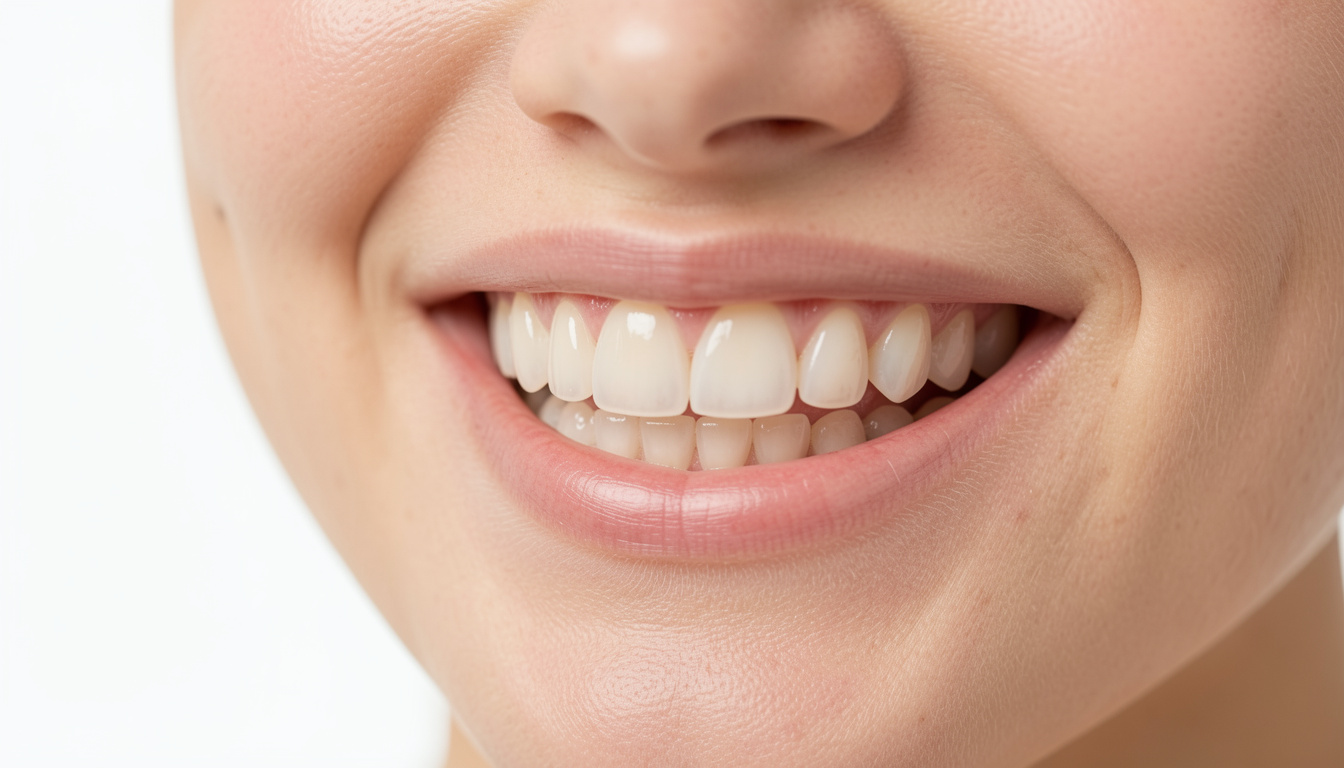
Why Are My Teeth Becoming Transparent?
Noticing that the edges of your teeth look see-through can feel strange.
You may see it most clearly on the tips of your front teeth. The edge might look glassy, greyish, bluish, or slightly transparent when light passes through it. This is often described as transparent teeth or translucent teeth.
In many cases, transparent tooth edges are linked to enamel thinning. Tooth enamel is the hard outer layer that helps protect your teeth. When enamel becomes thinner or wears down, the tooth can start to look more see-through, especially near the edges where enamel is naturally thinner.
Transparent teeth do not always mean something serious is happening straight away. But they are worth checking, especially if the change is new, becoming more noticeable, or comes with sensitivity. If you are in Warrawong or Wollongong, a dental check-up at Bespoke Dental Studio can help identify what may be causing the change.
What Makes Teeth Look Transparent?
Teeth are made up of different layers.
The outer layer is enamel. Underneath that is dentine, which is naturally more yellow in colour. Enamel is partly translucent, which means some light can pass through it. This is one reason natural teeth are not flat white like paint.
At the biting edges of the front teeth, there is often less dentine behind the enamel. Because of this, the tips of front teeth can sometimes look slightly translucent, even when the teeth are healthy.
The concern is when the transparency becomes more obvious over time.
If enamel becomes thinner, the tooth may lose some of its usual strength and appearance. The edges may look clearer, glassier, or more fragile. Some people also notice sensitivity, small chips, rough edges, or changes in tooth colour.
Common Causes of Transparent Teeth
Transparent teeth can happen for different reasons. A dentist can assess your teeth properly, but these are some of the more common causes.
1. Enamel Thinning From Acid Wear
One of the main reasons teeth become more transparent is enamel thinning caused by acid wear.
Dental erosion happens when acids wear away the enamel surface of the teeth. These acids may come from food, drinks, or stomach acid. Over time, repeated acid exposure can make enamel thinner and may cause the edges of the teeth to look more translucent.
Common sources of acid can include:
- Soft drinks
- Sports drinks
- Energy drinks
- Flavoured sparkling water
- Fruit juice
- Citrus fruits
- Vinegar-based foods
- Frequent acidic snacking
- Reflux or vomiting
This does not mean you can never have acidic foods or drinks. The issue is usually frequency.
Sipping acidic drinks slowly over a long period can expose your teeth to acid again and again. Even if the drink is sugar-free, it may still be acidic.
2. Brushing Too Soon After Acidic Foods or Drinks
This one catches people out.
Brushing straight after something acidic may not be the best idea. Acid can temporarily soften the enamel surface. If you brush during that time, you may contribute to enamel wear.
A safer habit is to rinse your mouth with water after acidic foods or drinks, then wait before brushing.
You do not need to scrub harder to protect your teeth. Gentle, consistent brushing with the right technique is usually better than brushing aggressively.
3. Teeth Grinding or Clenching
Grinding or clenching can wear down the biting edges of the teeth.
Over time, this can make the edges look thinner, flatter, chipped, or more transparent. Some people grind their teeth during sleep and do not realise it is happening. Others clench during the day when stressed, focused, or concentrating.
Signs that grinding may be involved include:
- Worn tooth edges
- Small chips
- Jaw tightness
- Morning jaw soreness
- Headaches around the temples
- Teeth that look shorter or flatter
- Cracks or rough edges
If grinding is suspected, your dentist can check the wear pattern and discuss options that may help protect your teeth.
4. Reflux or Frequent Vomiting
Stomach acid is strong.
If acid regularly comes up into the mouth through reflux or vomiting, it can affect tooth enamel. This type of acid wear may affect certain tooth surfaces more than others, depending on how the acid contacts the teeth.
If you have frequent reflux, nausea, vomiting, heartburn, or a sour taste in your mouth, it may be worth speaking with your doctor as well as your dentist.
Managing the cause of the acid exposure can be important. Otherwise, dental treatment may help protect damaged areas, but the enamel may continue to wear if the acid exposure keeps happening.
5. Diet and Frequent Sipping
It is not only sugar that matters.
Acidity matters too.
Some drinks that seem like healthier options can still be acidic. Sugar-free soft drinks, flavoured sparkling water, fruit juices, sports drinks, and energy drinks may all expose enamel to acid.
A few practical habits may help reduce acid exposure:
- Drink water more often
- Avoid sipping acidic drinks for long periods
- Have acidic drinks with meals rather than throughout the day
- Use a straw where appropriate
- Rinse with water after acidic foods or drinks
- Avoid brushing immediately after acid exposure
Small changes can make a difference over time, especially if acidic drinks are part of your daily routine.
Other Signs That May Come With Transparent Teeth
Transparent tooth edges may appear on their own, but they can also come with other signs of enamel wear.
You may notice:
- Tooth sensitivity
- Edges that look thin or glassy
- Small chips or rough areas
- Teeth looking more yellow
- Teeth feeling sharp at the edges
- A change in tooth shape
- Sensitivity to cold drinks, sweet foods, or brushing
Sensitivity can happen because thinner enamel gives the inner tooth layers less protection.
If your sensitivity is getting worse, or if your teeth are starting to chip or feel rough, it is best not to ignore it.
Can Transparent Teeth Be Reversed?
This depends on what is causing the transparency.
Tooth enamel does not grow back in the same way skin heals. Once enamel has been physically worn away, it cannot simply regenerate. However, early enamel weakening may sometimes be managed with preventive care, fluoride, dietary changes, and better oral hygiene habits.
The goal is usually to protect the remaining enamel and reduce further wear.
Depending on your teeth, your dentist may discuss options such as:
- Fluoride treatment
- Toothpaste for sensitivity
- Dietary advice
- Reviewing your brushing technique
- Managing grinding or clenching
- A custom night guard, if suitable
- Restorative treatment for worn or chipped areas
- Referral to a doctor if reflux or vomiting is contributing
Treatment recommendations vary. Your dentist will need to assess the cause, how much enamel has changed, and whether your teeth are sensitive, cracked, or at higher risk of further wear.
How Can You Help Protect Tooth Enamel?
The first step is to reduce repeated acid exposure and avoid habits that add extra wear.
Helpful habits may include:
- Brushing twice a day with a soft toothbrush
- Using fluoride toothpaste
- Avoiding hard scrubbing
- Waiting before brushing after acidic foods or drinks
- Drinking water after acidic drinks or snacks
- Limiting frequent sipping of soft drinks, sports drinks, and juice
- Keeping regular dental check-ups
- Speaking with a dentist if you grind or clench
- Speaking with a doctor if reflux or vomiting is frequent
You do not need to overhaul everything overnight. Start with the habits that expose your teeth to acid most often.
When Should You See a Dentist?
- Your teeth are becoming more transparent
- The edges look thinner or chipped
- You have tooth sensitivity
- Your teeth look more yellow than before
- You grind or clench your teeth
- You have frequent reflux or vomiting
- You are unsure whether the change is normal
At Bespoke Dental Studio, your dentist can assess whether transparent teeth are related to enamel thinning, tooth wear, grinding, erosion, or another factor. For patients in Warrawong, Wollongong, and nearby areas, this can be a useful step before more tooth surface is lost.
Key Takeaway
Transparent teeth are often linked to enamel thinning, especially when the edges of the front teeth start to look glassy or see-through.
The cause may be acid wear, grinding, reflux, brushing habits, diet, or a combination of factors. The earlier you understand what is causing the change, the easier it may be to protect the remaining tooth enamel.
If your transparent tooth edges are becoming more noticeable, book a dental check-up. Your dentist can assess your teeth, explain what may be happening, and discuss suitable options for your situation.
FAQs
Why are the edges of my teeth transparent?
The edges of front teeth can look transparent because enamel is thinner there. If the transparency is becoming more noticeable, it may be due to enamel thinning, acid wear, grinding, or other forms of tooth wear.
Are transparent teeth a dental problem?
Transparent teeth are not always urgent, but they should be checked if they are new, worsening, or linked with sensitivity, chips, cracks, or colour changes.
Can enamel thinning be fixed?
Lost enamel does not grow back naturally. However, your dentist may recommend ways to protect the remaining enamel and reduce further wear. In some cases, restorative treatment may be suitable.
What causes transparent tooth edges?
Transparent tooth edges may be caused by acid erosion, frequent acidic drinks, reflux, vomiting, teeth grinding, aggressive brushing, or natural enamel thinness.
Should I use whitening products on transparent teeth?
It is best to speak with a dentist first. Whitening products may not be suitable for every patient, especially if enamel wear or sensitivity is present. Your dentist can assess your teeth and discuss safe options.